


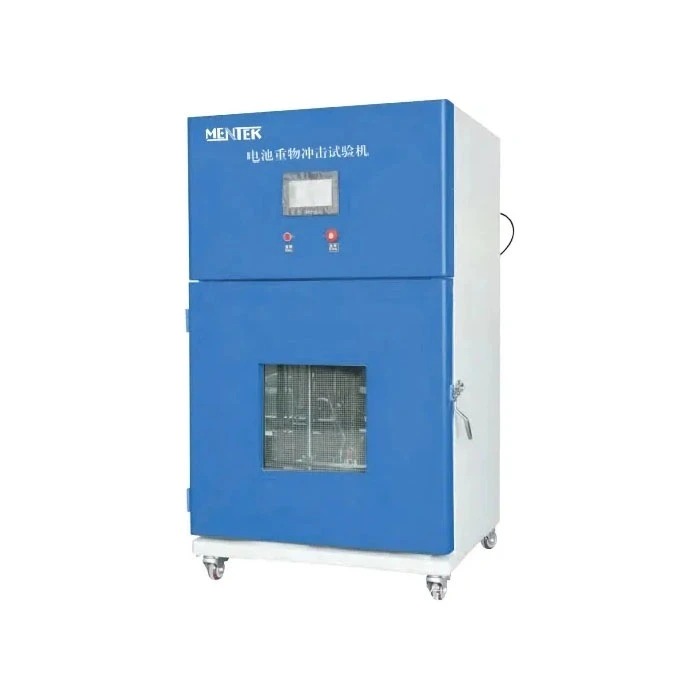
In modern automotive, industrial, and electronic applications, batteries are a critical component that ensures uninterrupted operation. A faulty or weak battery can lead to unexpected downtime, equipment failure, or safety hazards. A professional Battery Tester provides a quick, accurate, and reliable way to assess battery condition, capacity, and performance, helping prevent costly problems before they occur.
This article explores the importance of a Battery Tester, how it works, its features, and its applications across industries.
Why a Battery Tester Is Crucial
Batteries degrade over time due to repeated charge-discharge cycles, temperature variations, and usage patterns. Without proper evaluation, degraded batteries can fail unexpectedly. A Battery Tester allows users to:
-
Assess battery health and state of charge
-
Detect internal resistance and capacity issues
-
Evaluate cranking performance for automotive batteries
-
Monitor charging system effectiveness
-
Extend battery lifespan through early detection of problems
By providing accurate diagnostics, a Battery Tester ensures that batteries operate efficiently and reliably.
How a Battery Tester Works
A Battery Tester uses advanced electronics to measure multiple aspects of battery performance. The process typically includes:
Voltage Measurement
The tester measures the battery’s voltage to determine whether it is fully charged, partially discharged, or depleted.
Internal Resistance Test
Internal resistance indicates battery aging or defects. A professional Battery Tester measures resistance to assess overall health.
Load Simulation
Some Battery Tester models simulate real-world load conditions, such as engine cranking, to evaluate the battery’s ability to perform under stress.
Charging System Evaluation
Advanced testers check the alternator and charging circuits to ensure the battery is charging correctly while in use.
This comprehensive analysis allows technicians to make informed decisions about battery replacement or maintenance.
Key Features of a Professional Battery Tester
When selecting a Battery Tester, consider the following essential features:
-
Multi-Battery Compatibility: Works with lead-acid, AGM, GEL, EFB, and lithium batteries.
-
Digital Display: Clear readings for voltage, capacity, and resistance.
-
Fast Diagnostics: Provides quick test results for efficient workflow.
-
Portability: Lightweight and compact for workshop or field use.
-
Safety Protection: Features like reverse polarity, short-circuit, and over-voltage protection.
-
Data Logging: Some models allow storage and printing of test results for record-keeping.
Applications of Battery Tester
Automotive Industry
Used by workshops, dealerships, and fleet operators to evaluate vehicle battery health and prevent breakdowns.
Industrial Equipment
Heavy machinery, forklifts, and backup power systems rely on regular battery testing to maintain operational efficiency.
Electronics and Telecom
Battery-powered devices, UPS systems, and telecom equipment require precise battery monitoring to prevent downtime.
Renewable Energy Systems
Battery banks in solar or wind systems benefit from Battery Tester monitoring to optimize energy storage performance.
Fleet Management
Regular battery testing reduces unexpected vehicle failures, saving time and maintenance costs.
Benefits of Using a Battery Tester
-
Improved Reliability: Ensures batteries perform optimally in all conditions.
-
Cost Efficiency: Prevents premature replacements and reduces downtime.
-
Safety Assurance: Identifies weak or damaged batteries before they cause accidents.
-
Convenient Maintenance: Quick diagnostics enable routine checks without extensive downtime.
-
Enhanced Data Tracking: Logging and reporting features support maintenance records and audits.
Future Trends in Battery Tester Technology
As battery technology evolves, modern Battery Tester devices are integrating:
-
Wireless and Bluetooth connectivity for mobile diagnostics
-
Smart analytics and AI-based predictive maintenance
-
Compatibility with hybrid and electric vehicle batteries
-
Cloud data storage for fleet-wide battery management
-
Multi-function testing for voltage, capacity, and internal resistance in one device
These innovations make Battery Tester devices more versatile and essential for modern maintenance strategies.
Conclusion
A professional Battery Tester is a vital tool for anyone managing vehicles, industrial machinery, or electronic devices. By providing fast, accurate, and comprehensive diagnostics, it ensures battery reliability, extends service life, and prevents unexpected failures.
Investing in a high-quality Battery Tester improves operational efficiency, reduces costs, and enhances safety across industries.