


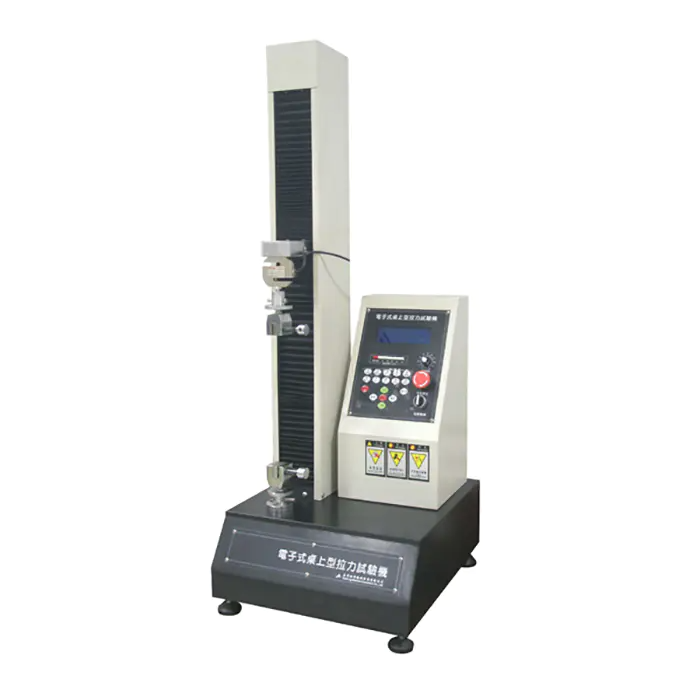
A comprehensive guide to evaluating material strength, ensuring structural safety, and achieving industrial compliance with Mentek advanced testing systems.
The Critical Role of Material Reliability in Modern Manufacturing
In the high-stakes landscape of modern industrial manufacturing, the failure of a single component can lead to catastrophic financial losses or, worse, safety hazards. Engineers and quality control professionals are constantly faced with the challenge of selecting materials that not only meet design specifications but also withstand the rigors of real-world stress. Whether it is a lithium-ion battery casing for an electric vehicle or a specialized fabric for aerospace applications, understanding the breaking point is essential.
How can you be certain that your raw materials will perform under pressure? The answer lies in rigorous Tensile Testing. This fundamental mechanical evaluation provides the empirical data required to validate material performance, allowing manufacturers to innovate with confidence while maintaining strict safety standards. At Mentek, we bridge the gap between material uncertainty and certified reliability through our state-of-the-art Universal Material Testing Machines.
Fundamentals of Tensile Testing
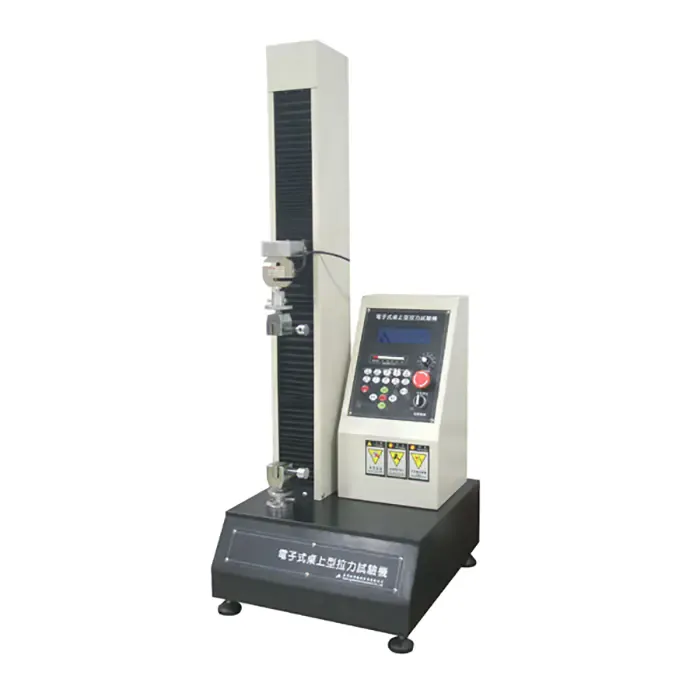
Before diving into complex industrial applications, it is vital to establish a baseline understanding of what Tensile Testing entails. Essentially, this process involves subjecting a material sample to a controlled tension until it reaches its point of failure. This destructive test yields critical data points, including:
- Yield Strength: The stress level at which permanent deformation begins.
- Ultimate Tensile Strength (UTS): The maximum stress a material can withstand.
- Elongation: The measure of how much a material stretches before breaking, indicating ductility.
By utilizing equipment like the MTK-S Universal Material Testing Machine, laboratories can generate highly accurate stress-strain curves that serve as the "fingerprint" of a material's mechanical properties.
Advanced Testing Solutions for Diverse Industries
Electronic & Small Parts
For delicate components and thin films, our MTK-L Power Operated Digital Machine offers the precision required for low-force applications, ensuring that miniature connectors and flexible circuits meet durability standards.
Automotive & EV Batteries
Safety is paramount in the EV sector. Beyond Tensile Testing, we provide comprehensive Battery Pack Test Systems to evaluate the structural integrity of cells under extreme mechanical and environmental stress.
Aerospace & Defense
High-altitude and military applications demand perfection. Our thermal cycling and altitude chambers work in tandem with mechanical testers to ensure materials survive the harshest atmospheric conditions found in space and aeronautics.
Why Professional Tensile Testing is Non-Negotiable
According to our experience serving global leaders since 1999, we have observed that companies utilizing standardized Tensile Testing protocols reduce their product recall rates by up to 40%. It is not merely about meeting a requirement; it is about establishing a culture of quality.
The Mentek Advantage: Expertise and Trust
Choosing a testing partner requires confidence in their technological depth. Mentek equipment is designed with high-precision load cells and advanced PID controllers, ensuring that every Tensile Testing procedure is repeatable and transparent. We adhere to international standards such as ISO, ASTM, and IEC, providing our clients with the documentation necessary for global market entry.
Frequently Asked Questions
1. How often should a Tensile Testing machine be calibrated?
To maintain maximum accuracy, we recommend annual calibration by certified technicians. This ensures that the load cell readings and crosshead displacement remain within specified tolerance limits.
2. Can Mentek machines test materials other than metals?
Absolutely. Our universal testing machines are designed for a wide array of materials, including plastics, rubbers, textiles, leather, and electronic components, with specialized grips available for each type.
3. What is the typical lead time for a custom testing chamber?
While standard models are often in stock, custom environmental or mechanical solutions typically have a lead time of 4 to 8 weeks, depending on the complexity of the integrated systems.
Ready to Elevate Your Quality Control Standards?
Consult with our technical experts today to find the perfect Tensile Testing configuration for your laboratory.
Guangdong Mentek Testing Equipment Co., Ltd. - Since 1999. Your trusted partner in environmental and material reliability.
© Mentek Testing Equipment. All Rights Reserved. ISO 9001:2015 Certified Manufacturer.