


Tensile Testing: A Critical Method for Evaluating Material Performance
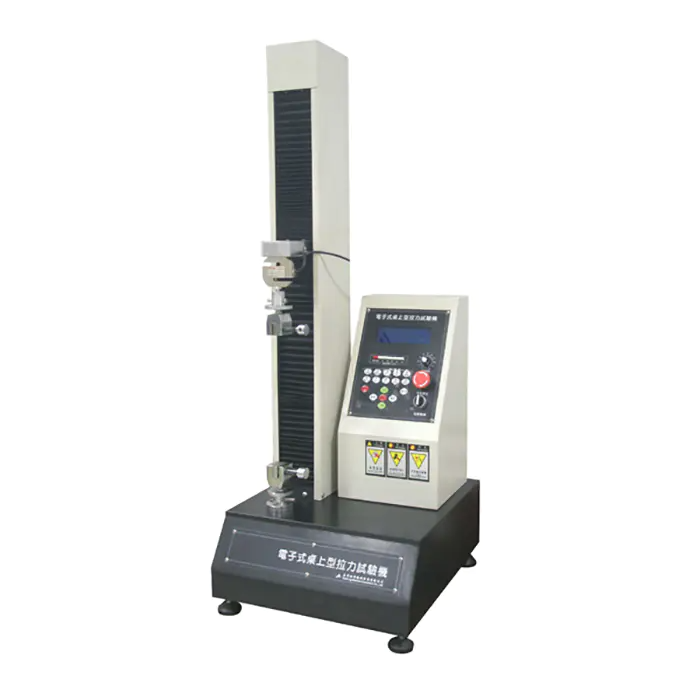
In modern manufacturing and engineering, material strength and durability are fundamental to product quality and safety. Tensile Testing is one of the most widely used methods for analyzing how materials behave under tension. By applying controlled force, Tensile Testing helps determine whether a material can withstand real-world stress and meet industry standards.
From metals and plastics to rubber and composites, Tensile Testing is essential for ensuring reliability across a wide range of applications.
What Is Tensile Testing?
Tensile Testing is a mechanical test in which a material sample is pulled apart until it deforms or breaks. The process measures how the material reacts to stress and provides key data about its mechanical properties.
Through Tensile Testing, engineers can evaluate:
-
Tensile strength
-
Yield strength
-
Elongation at break
-
Elastic modulus
-
Ductility and flexibility
These parameters are critical for determining whether a material is suitable for specific applications.
How Tensile Testing Works
A professional Tensile Testing process is conducted using a universal testing machine (UTM) equipped with precise sensors and software.
Sample Preparation
The material is prepared in a standardized shape to ensure consistent and comparable results.
Force Application
The Tensile Testing machine applies a controlled pulling force at a constant speed.
Data Measurement
Sensors record force and elongation, generating a stress-strain curve.
Result Analysis
Engineers analyze the data to understand material behavior and identify performance limits.
This structured process ensures accurate and repeatable Tensile Testing results.
Key Features of Tensile Testing Equipment
When selecting equipment for Tensile Testing, the following features are essential:
High Measurement Accuracy
Precision load cells and sensors ensure reliable data collection.
Wide Testing Capacity
A versatile Tensile Testing machine can handle various materials and force ranges.
Advanced Software
Modern systems provide automated data analysis and reporting.
Adjustable Speed Control
Different materials require specific testing speeds for accurate results.
Safety Systems
Overload protection and emergency stop functions ensure safe operation.
Applications of Tensile Testing
Automotive Industry
Tensile Testing is used to evaluate components such as metal parts, fasteners, and safety systems.
Construction Materials
Steel, concrete reinforcement, and structural materials are tested to ensure strength and compliance.
Plastics and Polymers
Manufacturers use Tensile Testing to assess flexibility and durability.
Textile Industry
Fabrics and fibers are tested for strength and elasticity.
Aerospace Engineering
Materials used in aircraft must pass strict Tensile Testing requirements for safety and reliability.
Benefits of Tensile Testing
Ensures Product Quality
Tensile Testing verifies that materials meet required performance standards.
Reduces Failure Risks
Identifying weak materials early prevents costly failures.
Supports Material Selection
Engineers can compare materials and choose the most suitable option.
Enhances Safety
Reliable material performance ensures safe product operation.
Improves Manufacturing Efficiency
Consistent testing leads to better production control and reduced defects.
Choosing the Right Tensile Testing Solution
When selecting a Tensile Testing system, consider:
-
Load capacity requirements
-
Material types to be tested
-
Accuracy and resolution
-
Software capabilities
-
Compliance with testing standards (ISO, ASTM, etc.)
A high-quality Tensile Testing machine should deliver precise, repeatable, and efficient performance.
Future Trends in Tensile Testing
With the advancement of smart manufacturing, Tensile Testing technology is evolving rapidly. New trends include:
-
Automated testing systems
-
AI-driven data analysis
-
Cloud-based reporting
-
Integration with quality management systems
-
Remote monitoring capabilities
These innovations improve efficiency and provide deeper insights into material performance.
Conclusion
Tensile Testing is a fundamental method for evaluating material strength, flexibility, and durability. It plays a vital role in quality control, product development, and safety assurance across industries.
By implementing advanced Tensile Testing solutions, manufacturers can ensure consistent product quality, reduce risks, and maintain a competitive advantage in today’s demanding market.