


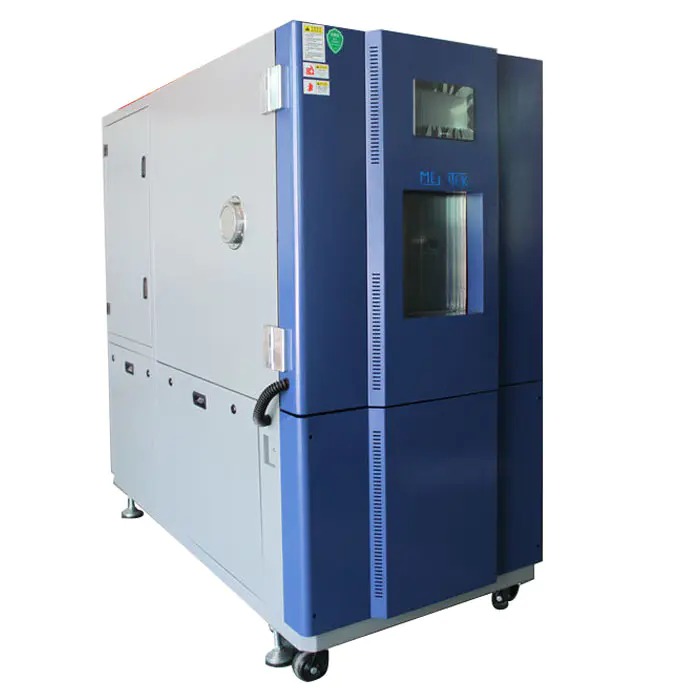
In modern electronics and semiconductor manufacturing, product reliability and performance depend heavily on the quality of integrated circuits. A Chip Test is a critical process used to evaluate the functionality, performance, and reliability of semiconductor chips before they are used in electronic devices. From consumer electronics to automotive systems, Chip Test procedures ensure that chips meet strict quality and performance standards.
This article explains the importance of Chip Test, the testing methods involved, key technologies used, and how it contributes to reliable electronic systems.
Why Chip Test Is Essential in Semiconductor Manufacturing
Semiconductor chips are at the core of countless devices, including smartphones, automotive systems, industrial controllers, and computing equipment. Even a small defect in a chip can lead to device malfunction or failure.
A professional Chip Test helps manufacturers:
-
Detect manufacturing defects early
-
Verify chip functionality and performance
-
Ensure compliance with design specifications
-
Improve product reliability and lifespan
-
Reduce failure rates in electronic systems
By implementing comprehensive Chip Test procedures, manufacturers can maintain high production quality and protect brand reputation.
How Chip Test Works
The Chip Test process involves multiple stages to evaluate different aspects of chip functionality.
1. Wafer-Level Testing
Before chips are separated from the wafer, automated testing equipment performs electrical checks to identify defective dies.
2. Functional Testing
After packaging, a Chip Test verifies that the chip performs according to its design, including logic operations and signal processing.
3. Performance Testing
Engineers measure parameters such as speed, voltage tolerance, and power consumption during the Chip Test process.
4. Reliability Testing
Additional stress testing may be conducted to evaluate how the chip performs under extreme conditions such as high temperature or voltage.
These testing stages ensure that only high-quality chips proceed to final assembly and distribution.
Key Technologies Used in Chip Test
Modern Chip Test systems rely on advanced testing equipment and software to ensure accurate and efficient diagnostics.
Automated Test Equipment (ATE)
ATE systems perform large-scale automated Chip Test operations, allowing manufacturers to test thousands of chips efficiently.
Probe Cards
During wafer-level Chip Test, probe cards connect the test system to individual chip pads for electrical measurement.
Burn-In Testing
This process exposes chips to high stress conditions to identify potential early-life failures.
Data Analysis Software
Advanced software analyzes test results and generates detailed performance reports during the Chip Test process.
Applications of Chip Test Across Industries
Consumer Electronics
Smartphones, tablets, and wearable devices rely on comprehensive Chip Test procedures to ensure stable performance.
Automotive Electronics
Modern vehicles contain dozens of chips controlling engine systems, safety features, and infotainment. Reliable Chip Test ensures safety and durability.
Industrial Automation
Controllers, sensors, and embedded systems require precise chip functionality verified through Chip Test.
Telecommunications
Networking equipment and communication devices depend on high-performance chips tested through rigorous Chip Test procedures.
Medical Devices
Healthcare equipment must meet strict reliability standards, making Chip Test a critical quality assurance step.
Benefits of Chip Test in Manufacturing
Improved Product Quality
Thorough Chip Test processes eliminate defective components before they reach the market.
Reduced Production Costs
Early defect detection prevents expensive product recalls and warranty claims.
Enhanced Reliability
Devices built with thoroughly tested chips deliver stable and long-lasting performance.
Faster Time to Market
Automated Chip Test systems accelerate quality verification during semiconductor production.
Choosing the Right Chip Test Solution
Manufacturers selecting a Chip Test system should consider:
-
Test coverage and accuracy
-
Compatibility with different chip designs
-
Automation capabilities
-
Data analysis and reporting features
-
Testing speed and production efficiency
A reliable Chip Test solution should balance precision, efficiency, and scalability for high-volume semiconductor production.
Future Trends in Chip Test Technology
As semiconductor technology advances, Chip Test solutions are evolving rapidly. Emerging developments include:
-
AI-driven defect detection
-
Advanced wafer-level testing methods
-
High-speed automated test systems
-
Real-time data analytics
-
Integration with smart manufacturing systems
These innovations enable more efficient and precise Chip Test processes in next-generation semiconductor manufacturing.
Conclusion
A professional Chip Test is an essential step in semiconductor manufacturing, ensuring that integrated circuits meet strict quality and performance requirements. By combining advanced testing equipment, automation, and data analysis, manufacturers can guarantee reliable chip performance across a wide range of industries.
Implementing comprehensive Chip Test procedures helps companies improve product reliability, reduce failure risks, and maintain competitiveness in the fast-growing electronics market.