


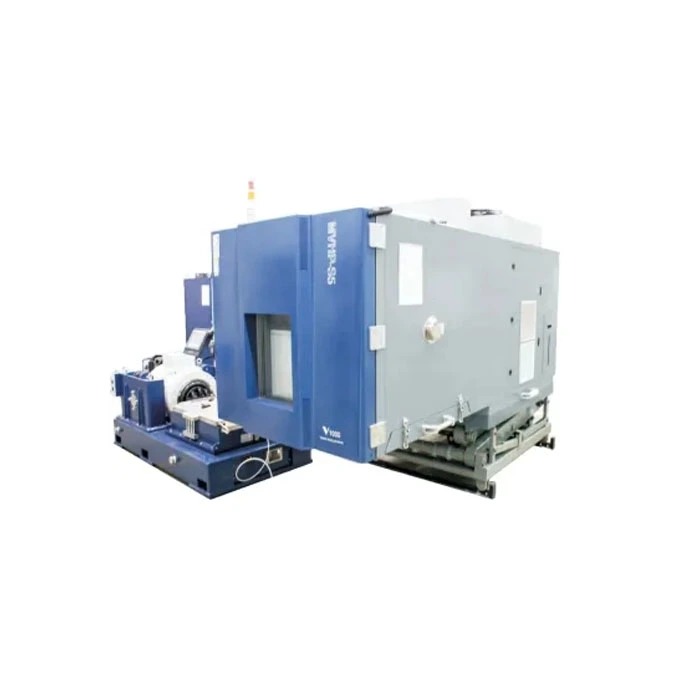
In modern manufacturing and product development, reliability is a critical factor for success. Products used in automotive systems, electronics, industrial equipment, and consumer devices must perform consistently under various environmental conditions. Environmental Testing is a vital process that evaluates how products react to temperature, humidity, vibration, dust, and other environmental factors.
Through professional Environmental Testing, manufacturers can verify durability, ensure safety, and confirm that products meet international quality standards before entering the market.
Why Environmental Testing Is Important
Products often operate in unpredictable environments. From extreme heat to high humidity and constant vibration, these conditions can significantly impact performance and lifespan. Environmental Testing helps manufacturers understand how their products behave under real-world conditions.
Key benefits of Environmental Testing include:
-
Identifying potential design weaknesses
-
Ensuring product durability and stability
-
Preventing failures caused by environmental stress
-
Meeting industry standards and regulations
-
Improving product quality and reliability
By conducting comprehensive Environmental Testing, companies can reduce the risk of product malfunction and enhance customer confidence.
Types of Environmental Testing
There are several types of Environmental Testing, each designed to simulate specific environmental conditions.
Temperature Testing
This test evaluates how products perform under extreme high and low temperatures. It ensures that components can operate safely in harsh climates.
Humidity Testing
High humidity levels can cause corrosion, electrical faults, and material degradation. Environmental Testing simulates moisture exposure to verify product durability.
Vibration Testing
Products subjected to movement during transportation or operation must withstand mechanical stress. Environmental Testing helps identify structural weaknesses.
Dust and Sand Testing
Certain environments expose equipment to dust or sand particles. This type of Environmental Testing ensures that devices remain functional in dusty conditions.
Thermal Cycling Testing
Rapid temperature changes can cause material expansion and contraction. Environmental Testing evaluates product stability during repeated temperature fluctuations.
How Environmental Testing Works
Professional Environmental Testing is performed using specialized testing chambers and simulation equipment.
Controlled Environmental Chambers
Temperature and humidity chambers simulate extreme environmental conditions for extended periods.
Mechanical Simulation Systems
Equipment such as vibration tables replicates real-world mechanical movement during Environmental Testing.
Monitoring and Data Collection
Sensors record performance data, allowing engineers to analyze product behavior under stress conditions.
Performance Evaluation
After the Environmental Testing process, engineers assess the results and identify any potential improvements needed in product design.
Applications of Environmental Testing
Automotive Industry
Vehicles and electronic control units must withstand temperature changes, vibration, and moisture exposure.
Electronics Manufacturing
Electronic devices require reliable performance despite environmental stress such as heat or humidity.
Aerospace Engineering
Aircraft components must pass strict Environmental Testing to ensure safety in extreme conditions.
Industrial Equipment
Machines operating in factories or outdoor environments must maintain performance under challenging conditions.
Consumer Products
Everyday devices such as smartphones, home appliances, and wearable electronics undergo Environmental Testing to ensure durability.
Benefits of Environmental Testing
Improved Product Reliability
Testing ensures that products perform consistently under different environmental conditions.
Compliance with Industry Standards
Many industries require certified Environmental Testing to meet ISO, ASTM, or military standards.
Reduced Product Failures
Identifying weaknesses early helps prevent expensive product recalls.
Faster Product Development
Testing allows engineers to refine designs quickly and efficiently.
Enhanced Brand Reputation
Reliable products strengthen customer trust and market competitiveness.
Choosing the Right Environmental Testing Solution
When selecting an Environmental Testing system or service, companies should consider:
-
Testing range and environmental simulation capabilities
-
Accuracy and monitoring systems
-
Compliance with international testing standards
-
Data analysis and reporting features
-
Scalability for different product sizes and industries
A reliable Environmental Testing solution should provide precise control, consistent simulation, and comprehensive performance data.
Future Trends in Environmental Testing
As industries adopt smart manufacturing and advanced materials, Environmental Testing technology continues to evolve. Key trends include:
-
Automated testing systems with AI-based analysis
-
Real-time monitoring and cloud data storage
-
Integration with digital twin simulations
-
Advanced multi-environment test chambers
-
Predictive reliability testing
These innovations allow manufacturers to conduct faster and more accurate Environmental Testing, supporting higher product quality and efficiency.
Conclusion
Environmental Testing is an essential part of modern product development and quality assurance. By simulating real-world environmental conditions, manufacturers can verify durability, improve design reliability, and meet strict industry standards.
Investing in professional Environmental Testing ensures that products perform reliably in demanding environments, helping companies deliver high-quality solutions across industries.