


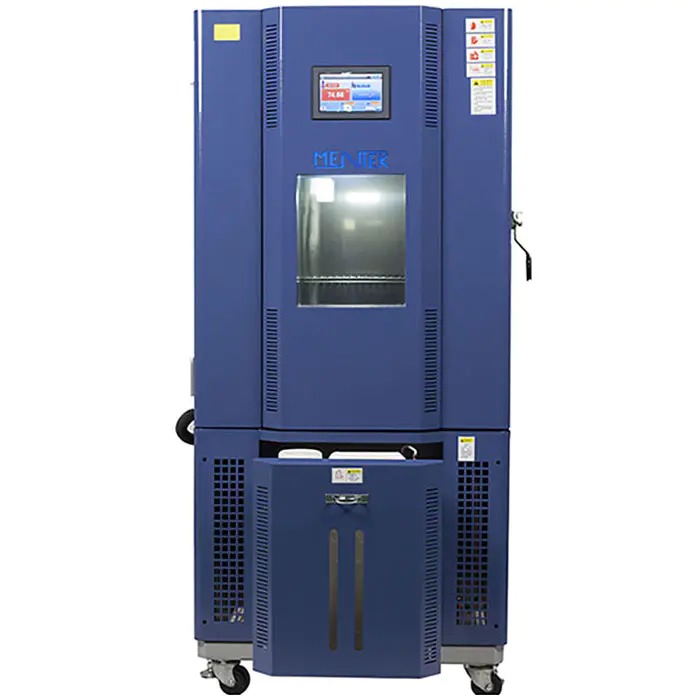
In modern automotive maintenance, industrial production, and electronic system monitoring, temperature control plays a critical role in ensuring safety, efficiency, and long-term equipment performance. A professional Temperature Tester is an essential diagnostic tool designed to measure, monitor, and analyze thermal conditions with precision.
From vehicle engines to industrial machinery and electrical systems, temperature variations can indicate underlying problems. This article explores the importance of using a Temperature Tester, its key features, applications, and why it is a valuable investment for professional environments.
Why a Temperature Tester Is Essential in Modern Diagnostics
Temperature is one of the most important indicators of system health. Excessive heat can lead to:
-
Engine overheating
-
Battery damage
-
Electrical system failures
-
Equipment performance degradation
-
Reduced component lifespan
A reliable Temperature Tester allows technicians and engineers to detect abnormal temperature fluctuations before they become critical issues.
Traditional temperature checks may rely on manual inspection or indirect indicators. However, a digital Temperature Tester provides accurate and real-time data, improving diagnostic efficiency and preventing costly downtime.
How a Temperature Tester Works
A professional Temperature Tester uses advanced sensing technology to measure thermal conditions. Depending on the model, it may utilize:
1. Infrared (Non-Contact) Measurement
An infrared Temperature Tester detects thermal radiation emitted by objects, allowing users to measure temperature without physical contact. This method is ideal for high-voltage equipment, rotating machinery, and hard-to-reach components.
2. Probe-Based Contact Measurement
Some Temperature Tester devices include thermocouple or probe sensors that provide highly precise readings for surfaces, liquids, or internal components.
3. Real-Time Digital Monitoring
Modern Temperature Tester units feature digital displays that provide instant readings and data tracking, ensuring accurate thermal diagnostics.
These technologies make the Temperature Tester suitable for diverse industrial and automotive applications.
Key Features of a Professional Temperature Tester
When selecting a Temperature Tester, businesses should consider the following essential features:
High Measurement Accuracy
A high-quality Temperature Tester delivers precise readings with minimal deviation, ensuring reliable diagnostics.
Wide Temperature Range
Professional models support a broad temperature range, making them suitable for automotive engines, HVAC systems, industrial equipment, and electronic devices.
Fast Response Time
A rapid-response Temperature Tester improves efficiency by delivering instant readings during inspections.
Clear Digital Display
An easy-to-read LCD or LED screen ensures technicians can quickly interpret results.
Data Storage and Connectivity
Advanced Temperature Tester models may include data logging, USB export, or wireless connectivity for performance analysis and reporting.
Durable and Portable Design
Industrial environments require a rugged Temperature Tester capable of withstanding harsh working conditions.
Applications of Temperature Tester Across Industries
A professional Temperature Tester is widely used in multiple sectors:
Automotive Industry
Technicians use a Temperature Tester to check engine temperature, cooling systems, brake components, exhaust systems, and battery heat levels.
Electrical and Power Systems
Monitoring transformer temperatures, circuit panels, and electrical connections with a Temperature Tester helps prevent overheating and fire hazards.
Industrial Manufacturing
Factories rely on a Temperature Tester to ensure machines operate within safe thermal limits, improving productivity and equipment lifespan.
HVAC and Building Maintenance
A Temperature Tester assists in diagnosing air conditioning systems, ventilation systems, and heating equipment.
Electronics and Laboratory Applications
Sensitive electronic components require accurate temperature monitoring, making a Temperature Tester an essential diagnostic instrument.
Benefits of Using a Temperature Tester
Preventive Maintenance
Routine inspections with a Temperature Tester help identify potential failures before they escalate.
Increased Safety
Monitoring heat levels reduces the risk of accidents, equipment damage, and system breakdowns.
Improved Operational Efficiency
Maintaining optimal thermal conditions enhances equipment performance and reduces energy waste.
Cost Reduction
Early detection of overheating issues prevents expensive repairs and downtime.
Choosing the Right Temperature Tester for Your Needs
Selecting the ideal Temperature Tester depends on your operational requirements. Consider:
-
Required temperature range
-
Contact or non-contact measurement preference
-
Accuracy level needed
-
Portability and durability
-
Data recording capabilities
A professional-grade Temperature Tester should combine precision, reliability, and user-friendly operation.
The Future of Temperature Tester Technology
With advancements in smart diagnostics and IoT integration, modern Temperature Tester devices are becoming more intelligent. Emerging features include:
-
Wireless data transmission
-
Cloud-based monitoring systems
-
AI-powered thermal analysis
-
Integration with predictive maintenance software
As industries move toward automation and digitalization, the demand for advanced Temperature Tester solutions will continue to grow.
Conclusion
A professional Temperature Tester is a vital tool for accurate thermal measurement across automotive, industrial, and electrical applications. By providing precise readings, improving safety, and supporting preventive maintenance strategies, it enhances operational reliability and long-term performance.
For workshops, maintenance teams, and industrial operators, investing in a high-quality Temperature Tester ensures dependable thermal diagnostics and optimized system performance.