


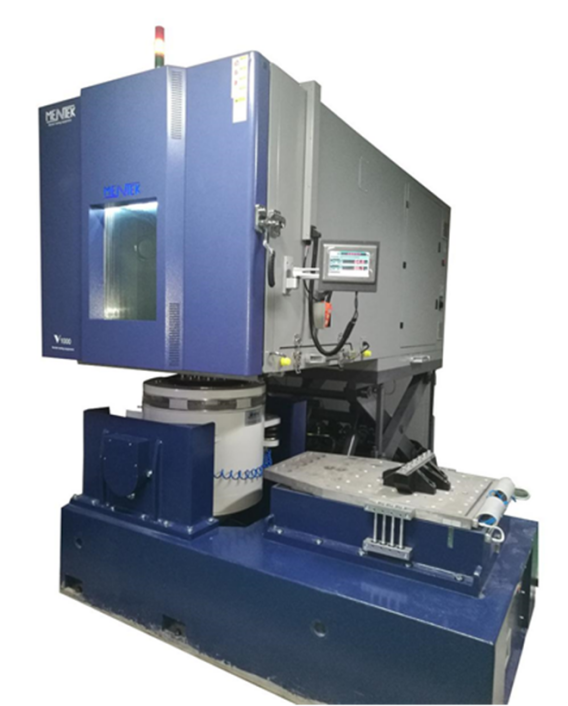
In modern industrial production, automotive applications, laboratories, warehouses, and electronic manufacturing, environmental control is essential for maintaining product quality, equipment reliability, and operational efficiency. Temperature And Humidity Testing plays a crucial role in monitoring and maintaining stable environmental conditions to prevent damage, deterioration, and system failure.
This article explores the importance of Temperature And Humidity Testing, its applications, key technologies, benefits, and how businesses can implement professional environmental monitoring solutions for long-term success.
Why Temperature And Humidity Testing Is Important
Environmental factors such as temperature fluctuations and excessive humidity can significantly impact performance and safety. Improper environmental control may lead to:
-
Corrosion of metal components
-
Electrical short circuits
-
Mold growth and material degradation
-
Reduced battery efficiency
-
Electronic component failure
-
Product storage damage
Professional Temperature And Humidity Testing provides accurate data that helps businesses maintain optimal environmental conditions and prevent costly losses.
In industries where precision and reliability are critical, environmental monitoring is no longer optional—it is essential.
How Temperature And Humidity Testing Works
Modern Temperature And Humidity Testing relies on advanced sensor technologies to deliver precise environmental data. These systems typically include:
1. Temperature Sensors
Digital temperature sensors measure ambient or surface temperature with high accuracy, ensuring real-time monitoring.
2. Humidity Sensors
Capacitive or resistive humidity sensors measure relative humidity (RH) levels, providing stable and reliable readings.
3. Integrated Monitoring Systems
Advanced Temperature And Humidity Testing devices combine both sensors into one system, displaying synchronized environmental data on a digital screen.
4. Data Logging and Analysis
Many professional systems support continuous data logging, trend analysis, and data export for quality control and compliance documentation.
These integrated features make Temperature And Humidity Testing suitable for both industrial and commercial applications.
Key Features of Professional Temperature And Humidity Testing Equipment
When selecting equipment for Temperature And Humidity Testing, consider the following critical features:
High Accuracy and Stability
Reliable sensors ensure precise measurement with minimal deviation over time.
Wide Measurement Range
Professional devices should support a broad temperature range and humidity range to accommodate different working environments.
Fast Response Time
Quick detection of environmental changes improves control and safety.
Data Storage and Connectivity
Advanced Temperature And Humidity Testing systems may offer USB, Bluetooth, or cloud connectivity for remote monitoring and reporting.
Alarm and Alert Functions
Built-in alarm systems notify users when environmental conditions exceed preset limits.
Durable Design
Industrial-grade devices are designed to withstand harsh environments, including dust, vibration, and temperature fluctuations.
Applications of Temperature And Humidity Testing Across Industries
Automotive Industry
In automotive workshops and battery storage facilities, Temperature And Humidity Testing ensures proper storage conditions to maintain battery performance and prevent corrosion.
Electronics Manufacturing
Electronic components are highly sensitive to moisture. Accurate Temperature And Humidity Testing prevents condensation and short circuits during production and storage.
Warehousing and Logistics
Temperature-sensitive goods such as automotive parts, precision instruments, and packaged electronics require controlled storage environments.
Industrial Production
Factories use Temperature And Humidity Testing to maintain stable manufacturing conditions, ensuring product consistency and reducing defects.
Laboratories and Research Facilities
Precise environmental monitoring supports experimental accuracy and equipment stability.
Benefits of Implementing Temperature And Humidity Testing
Improved Product Quality
Maintaining stable environmental conditions ensures product reliability and longevity.
Preventive Maintenance
Continuous Temperature And Humidity Testing helps detect environmental risks before they cause equipment damage.
Compliance and Documentation
Many industries require environmental records for regulatory compliance. Data logging systems simplify reporting.
Energy Efficiency
Optimizing environmental control systems based on accurate data reduces unnecessary energy consumption.
Risk Reduction
Monitoring environmental conditions reduces the risk of fire hazards, corrosion, and material degradation.
Choosing the Right Temperature And Humidity Testing Solution
Selecting the appropriate Temperature And Humidity Testing system depends on operational requirements:
-
Required measurement range
-
Accuracy standards
-
Indoor or outdoor use
-
Need for remote monitoring
-
Data storage capacity
-
Alarm and alert requirements
A professional solution should combine precision, durability, and user-friendly functionality.
Future Trends in Temperature And Humidity Testing Technology
With the rise of smart manufacturing and Industry 4.0, Temperature And Humidity Testing is evolving rapidly. Emerging trends include:
-
IoT-enabled environmental monitoring
-
Cloud-based data management
-
Real-time mobile alerts
-
AI-driven environmental analytics
-
Integration with building automation systems
As industries continue to prioritize automation and digital transformation, advanced Temperature And Humidity Testing systems will play an even greater role in operational management.
Conclusion
Temperature And Humidity Testing is a fundamental component of modern environmental control strategies. From automotive workshops and electronics manufacturing to warehouses and laboratories, accurate environmental monitoring protects equipment, preserves product quality, and enhances operational efficiency.
By investing in professional Temperature And Humidity Testing equipment, businesses can improve reliability, reduce risks, and ensure long-term stability in their operations.