


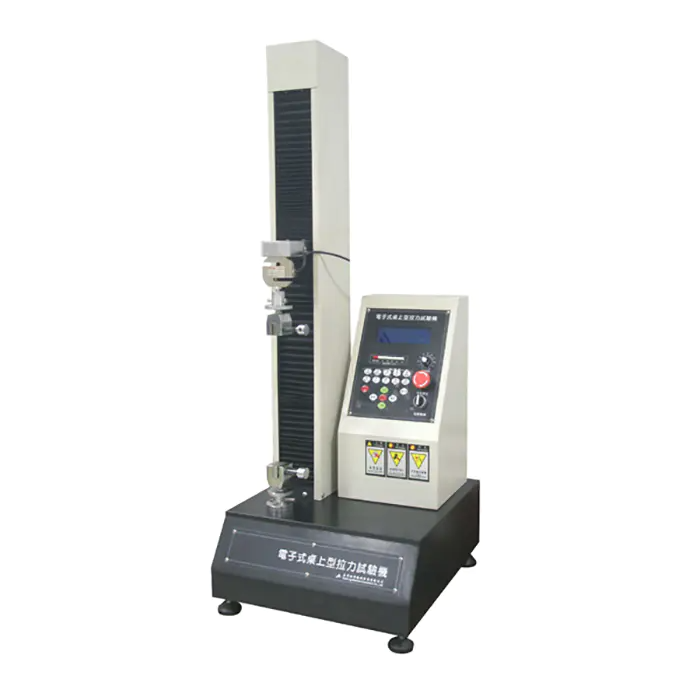
In manufacturing, engineering, automotive production, and quality inspection, material performance directly determines product durability and safety. Tensile Testing is one of the most fundamental and widely used mechanical tests for evaluating how materials react to pulling forces. By measuring strength, elasticity, and deformation behavior, Tensile Testing ensures that components meet required standards before entering real-world applications.
This article explains the importance of Tensile Testing, how it works, its applications, and why it is essential for modern quality control systems.
What Is Tensile Testing and Why It Matters
Tensile Testing is a mechanical test in which a controlled pulling force is applied to a material sample until it stretches and eventually breaks. The test reveals how the material behaves under stress and determines whether it is suitable for its intended use.
Manufacturers rely on Tensile Testing to evaluate:
-
Ultimate tensile strength (UTS)
-
Yield strength
-
Elongation percentage
-
Elastic modulus
-
Fracture characteristics
Without proper Tensile Testing, materials may fail unexpectedly in real applications, leading to safety hazards, equipment damage, or product recalls.
How Tensile Testing Works
A professional Tensile Testing system uses a universal testing machine (UTM) to apply force to a specimen at a controlled speed. The equipment records load and displacement data throughout the test process.
Step 1: Sample Preparation
The material specimen is shaped according to standard testing specifications to ensure accurate results.
Step 2: Controlled Force Application
The Tensile Testing machine gradually pulls the specimen while sensors measure applied force and deformation.
Step 3: Data Collection and Analysis
Software records the stress-strain curve, which provides critical performance indicators such as yield point and breaking strength.
Step 4: Failure Evaluation
After fracture, technicians analyze the break pattern to understand the material’s structural behavior.
This standardized process allows Tensile Testing to produce reliable and repeatable results.
Key Features of Modern Tensile Testing Equipment
When selecting equipment for Tensile Testing, several important features should be considered:
High Precision Load Cells
Accurate load measurement ensures reliable material strength evaluation.
Wide Testing Range
Professional Tensile Testing machines support various materials, including metals, plastics, rubber, textiles, and composites.
Advanced Software Analysis
Integrated software automatically generates stress-strain curves and detailed reports.
Adjustable Testing Speed
Different materials require different strain rates; flexible control improves accuracy.
Safety Protection
Modern Tensile Testing systems include overload protection and emergency stop functions.
Applications of Tensile Testing in Industry
Automotive Industry
In automotive manufacturing, Tensile Testing evaluates structural components, fasteners, seat belts, and safety systems to ensure compliance with safety standards.
Metal Fabrication
Steel, aluminum, and alloy materials undergo Tensile Testing to verify mechanical performance before fabrication.
Plastics and Polymer Production
Plastic components require precise Tensile Testing to confirm flexibility and durability.
Construction and Infrastructure
Building materials must meet strict strength requirements to ensure structural integrity.
Electronics and Cable Manufacturing
Wire and cable insulation materials are tested to ensure resistance to stretching and mechanical stress.
Benefits of Using Tensile Testing in Quality Control
Improved Product Safety
Tensile Testing helps identify weak materials before they reach customers.
Standard Compliance
Manufacturers meet ISO, ASTM, and other international standards through verified testing procedures.
Reduced Failure Risk
Early detection of material defects prevents field failures and warranty claims.
Better Material Selection
Engineers can compare materials and choose the most suitable option for each application.
Enhanced Brand Reputation
Consistent quality supported by Tensile Testing strengthens customer confidence.
Choosing the Right Tensile Testing System
To select the proper Tensile Testing equipment, consider:
-
Required load capacity
-
Material types to be tested
-
Testing speed control range
-
Software reporting features
-
Automation level
A reliable Tensile Testing machine should provide accurate measurement, stable operation, and user-friendly data analysis.
Future Development of Tensile Testing Technology
As smart manufacturing advances, Tensile Testing systems are evolving with:
-
Automated sample recognition
-
Cloud-based data storage
-
AI-driven analysis
-
Integration with quality management systems
-
Remote monitoring capabilities
These innovations allow manufacturers to improve production efficiency and predictive maintenance strategies.
Conclusion
Tensile Testing is a fundamental process for evaluating material strength, flexibility, and reliability. It plays a critical role across industries—from automotive and construction to electronics and plastics manufacturing.
By implementing professional Tensile Testing equipment, businesses can ensure product safety, meet international standards, and improve overall manufacturing quality. In a competitive industrial environment, accurate material testing is essential for long-term success.