


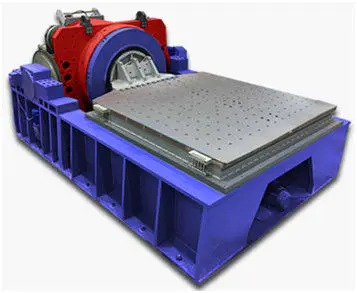
In automotive engineering, electronics manufacturing, aerospace systems, and industrial equipment production, products must withstand continuous movement, shocks, and environmental stress during transportation and operation. Vibration Testing is a critical method used to evaluate durability and structural reliability by simulating real-world vibration conditions in a controlled environment.
This article explains the importance of Vibration Testing, how it works, its applications, and why manufacturers rely on it to guarantee product quality and safety.
Why Vibration Testing Is Important
Products in real environments experience constant vibration from engines, roads, machinery, and mechanical movement. Without proper testing, components may loosen, crack, or fail prematurely. Vibration Testing helps manufacturers identify weaknesses before products reach the market.
Key risks prevented by Vibration Testing include:
-
Structural fatigue and fractures
-
Loose fasteners and connectors
-
Electrical contact failures
-
Material wear and deformation
-
Reduced product lifespan
By performing professional Vibration Testing, companies ensure long-term performance and avoid costly recalls or warranty claims.
How Vibration Testing Works
A professional Vibration Testing system uses a vibration shaker table controlled by programmable software. The machine generates specific vibration patterns that simulate real operational environments.
1. Mounting the Test Sample
The product is securely fixed onto the testing platform to replicate actual installation conditions.
2. Applying Controlled Vibrations
The Vibration Testing machine generates vibrations across defined frequencies and amplitudes, reproducing transport, road, or operational motion.
3. Monitoring Performance
Sensors record displacement, acceleration, and structural behavior during the Vibration Testing process.
4. Analyzing Results
Engineers evaluate performance data to detect potential failure points and improve design reliability.
Types of Vibration Testing
Different products require different testing methods. Common Vibration Testing types include:
Sinusoidal Vibration Testing
Applies a steady, repeating vibration frequency to identify resonance points and structural weaknesses.
Random Vibration Testing
Simulates real-world operating environments such as road conditions or machinery movement.
Shock Testing
A form of Vibration Testing that evaluates resistance to sudden impacts during transportation or handling.
Transportation Simulation Testing
Replicates shipping conditions to ensure packaging and products remain intact during delivery.
Key Features of Professional Vibration Testing Equipment
When choosing Vibration Testing equipment, several features are essential:
Wide Frequency Range
A versatile system supports low and high frequencies for different applications.
Programmable Control System
Advanced software allows customized vibration profiles.
Real-Time Data Monitoring
Modern Vibration Testing systems collect and display real-time acceleration and displacement data.
High Load Capacity
Industrial products require equipment capable of testing heavy components.
Safety Protection Mechanisms
Overload protection and emergency shutdown features ensure operator safety.
Applications of Vibration Testing Across Industries
Automotive Industry
Manufacturers use Vibration Testing to evaluate dashboards, batteries, sensors, wiring harnesses, and engine components.
Electronics Manufacturing
Electronic devices undergo Vibration Testing to ensure circuit stability and solder joint durability.
Aerospace Engineering
Aircraft components require strict Vibration Testing to meet safety standards and operational reliability.
Industrial Equipment
Machinery and mechanical assemblies are tested to ensure they withstand long-term operational vibration.
Packaging and Logistics
Products and packaging are evaluated through Vibration Testing to prevent shipping damage.
Benefits of Implementing Vibration Testing
Improved Product Durability
Testing identifies weak points before production scaling.
Compliance With Standards
Vibration Testing helps meet ISO, MIL, ASTM, and transportation standards.
Reduced Maintenance Costs
Reliable products require fewer repairs and replacements.
Enhanced Customer Confidence
Verified performance improves brand reputation and trust.
Faster Product Development
Engineers can optimize designs early using Vibration Testing data.
Choosing the Right Vibration Testing Solution
When selecting a Vibration Testing system, consider:
-
Required frequency range
-
Maximum load capacity
-
Control software capabilities
-
Test standards compliance
-
Data reporting requirements
The right equipment should provide stable performance, precise control, and accurate measurement.
Future Trends in Vibration Testing Technology
As Industry 4.0 advances, Vibration Testing systems are becoming more intelligent and connected. Emerging innovations include:
-
Automated test scripting
-
Cloud-based reporting
-
Remote monitoring
-
AI-driven failure prediction
-
Integration with digital twin simulations
These advancements allow manufacturers to accelerate development and improve predictive maintenance strategies.
Conclusion
Vibration Testing is an essential process for ensuring product durability, safety, and reliability across automotive, aerospace, electronics, and industrial sectors. By simulating real-world conditions, manufacturers can detect weaknesses, optimize designs, and meet international quality standards.
Investing in professional Vibration Testing equipment helps businesses reduce failure risks, enhance product performance, and maintain a competitive advantage in demanding markets.